
Most companies set ambitious growth and profitability targets in their strategies, medium-term plans and budgets. Yet actual results often fall short of expectations. Why?
The erosion of the existing business is underestimated
Planning is typically based on current revenue levels. However, product ageing, price pressure, changing customer needs and increasing competition mean that parts of the existing business lose volume year after year.
This erosion must first be anticipated and compensated for before additional growth can be achieved.
Growth opportunities are not identified systematically enough
Growth potential can arise from new products, customers, industries, regions, technologies, business models or acquisitions.
In many companies, these opportunities are not identified, prioritized and pursued systematically enough.
Execution lacks consistency
Developing strategies, defining targets and identifying initiatives is already a demanding task. Ultimately, however, success or failure depends on consistent execution.
This requires a dedicated, multi-year growth program with clear responsibilities, regular progress tracking and rigorous management.
The necessary resources are provided too cautiously
Sustainable growth requires management attention, investment and sufficient organizational capacity.
If these resources are not made available to the required extent, even the best growth initiatives will fall short of their potential.
Discover in our project examples how we have worked with our clients to develop and implement growth programs that achieved revenue increases of 50 to 100 percent while maintaining high profitability.
Developing a growth strategy for the core division of an electronics company
For the core division of a leading electronics company, Helbling Business Advisors worked with the global management team to develop a comprehensive growth strategy.
Following extensive market and strategy analyses, eight growth initiatives were defined and approved by the Board of Directors. The measures included new technologies, the development of growth markets and target customer segments, as well as sales optimization.
The result: approximately 50% revenue growth within four years while maintaining a high EBIT margin.

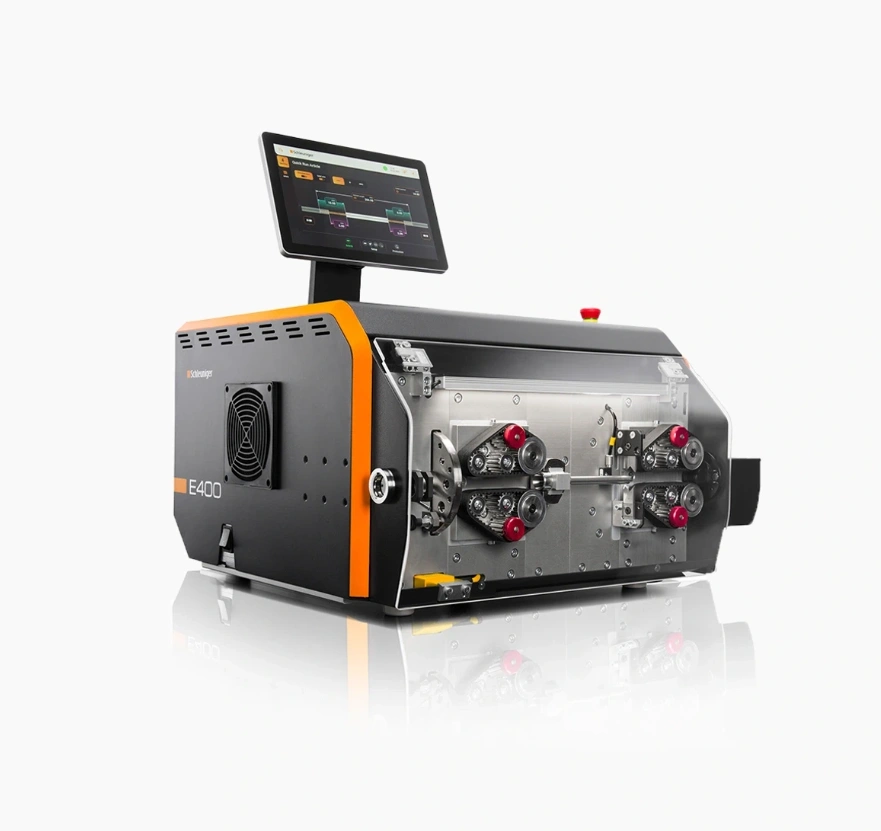
Growth with impact: doubling revenue in the wire processing industry
Helbling Business Advisors supported a global leader in wire processing technologies in developing a comprehensive growth program together with the extended global management team.
Based on in-depth market and company analyses, around 24 growth initiatives were defined and successfully implemented across innovation, sales, production, supply chain and organization.
The result: revenue doubled within four years while maintaining high profitability.
The growth also led to the creation of numerous new jobs and substantial investments in technology and training infrastructure at the company’s Swiss sites.
The project received the prestigious award from economiesuisse and the Swiss Association of Management Consultants as the best consulting project among internationally active management consultancies.
Expanding into new applications: growth in new markets
Helbling supported a company in the oil and gas industry in identifying new growth opportunities in defense and the protection of subsea infrastructure.
Based on a systematic analysis of the company’s core competencies, new applications were identified, assessed and prioritized.
This resulted in three strategic growth initiatives with an annual revenue potential of approximately USD 250 million, opening up new market opportunities while reducing the company’s dependence on its traditional core business.

Growth in defense and MedTech
Helbling supported a textile machinery manufacturer in systematically developing new growth markets beyond its core business.
Based on the company’s existing core competencies, more than 50 potential applications were analyzed. The most attractive business opportunities in the defense and MedTech sectors were then identified and prioritized.
The assessment revealed a market potential of more than CHF 100 million in the target segments and resulted in a clear roadmap for market entry and strategic diversification.